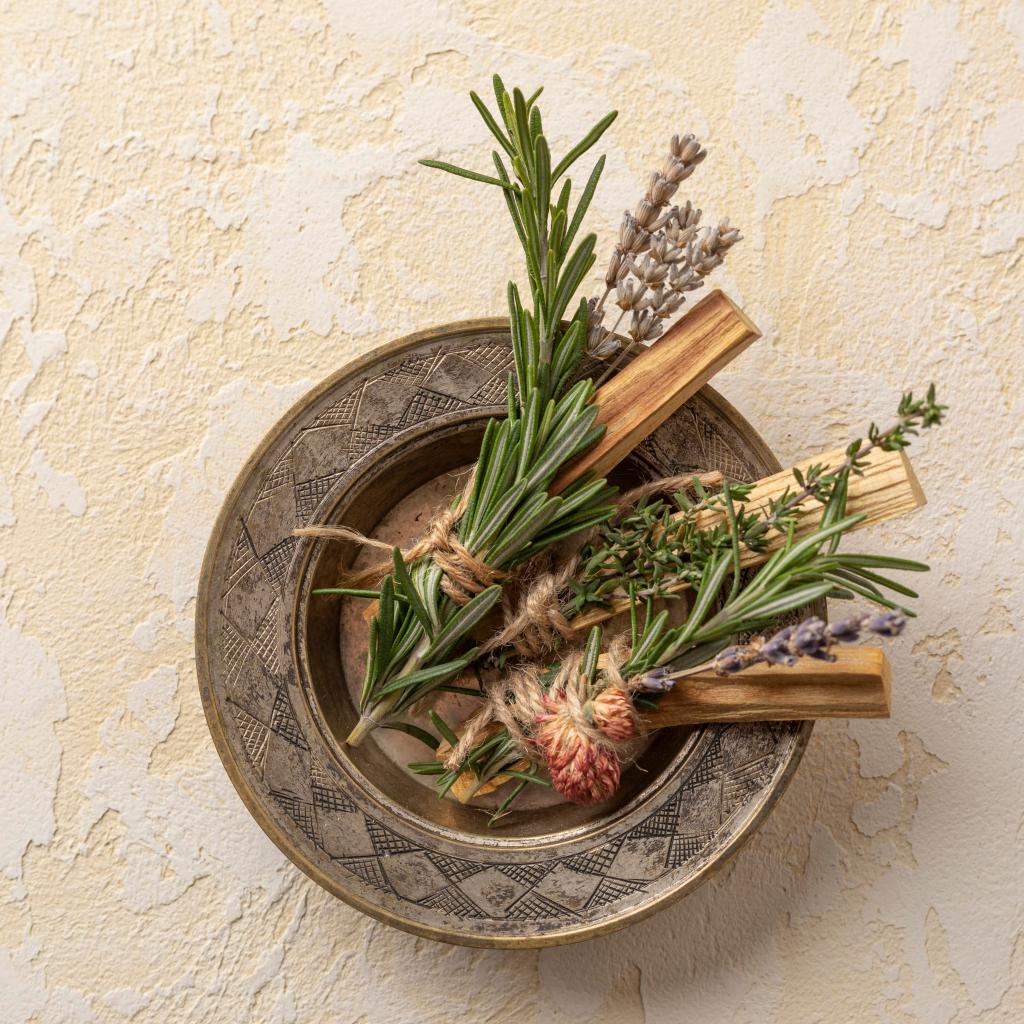
For centuries, herbs have been trusted allies in supporting the human spirit. Long before modern psychology gave language to stress, grief, overwhelm, or emotional fatigue, people turned to plants for comfort, steadiness, and renewal. Across cultures and traditions, herbs were understood not only as physical remedies, but as gentle balancers of the heart and mind.
Emotional wellbeing is not about suppressing feelings or striving for constant positivity. It is about resilience — the ability to move through life’s changes with steadiness, clarity, and self-trust. Herbs support this process by working in harmony with the body’s natural rhythms. Many calming plants help soothe the nervous system when it is overstimulated. Others uplift when energy feels heavy or stagnant. Some strengthen our inner boundaries during times of transition or vulnerability.
What makes herbs so powerful is their subtlety. They do not override the body’s intelligence; they collaborate with it. Their action is cumulative, supportive, and deeply respectful of individual experience. When used intentionally, herbs can help soften anxiety, ease tension, brighten low moods, and create space for emotional processing.
Working with herbs is also an invitation to reconnect — with nature, with seasonal cycles, and with ourselves. The simple ritual of preparing a tea, taking a tincture, or using a flower essence becomes a moment of pause. In that pause, the nervous system begins to settle, awareness deepens, and healing can unfold.
Herbal support for emotional wellbeing is not a replacement for professional care when it is needed. Rather, it is a complementary path — one that honours the wisdom of the earth and the innate capacity of each person to restore balance.
In a world that moves quickly and demands much, herbs offer something rare: gentleness, steadiness, and the quiet reminder that healing can be both natural and deeply nourishing.

 SANCTUM